
Oral health is a crucial component of overall well-being, and regular visits to your local dentist can significantly reduce the risk of severe dental problems. This article explores the various proactive approaches and treatments offered by dentists to maintain optimal oral health and prevent complications. Consistent dental care plays a pivotal role in detecting issues early, preventing disease progression, and ensuring patients maintain healthy teeth and gums throughout their lives. With advancements in dental practices and a comprehensive approach to oral health care, dentists are well-equipped to address potential problems before they escalate. Let's embark on an exploration of the vital ways your local dentist can help maintain your oral health and prevent serious issues.
1. Importance of Regular Check-ups
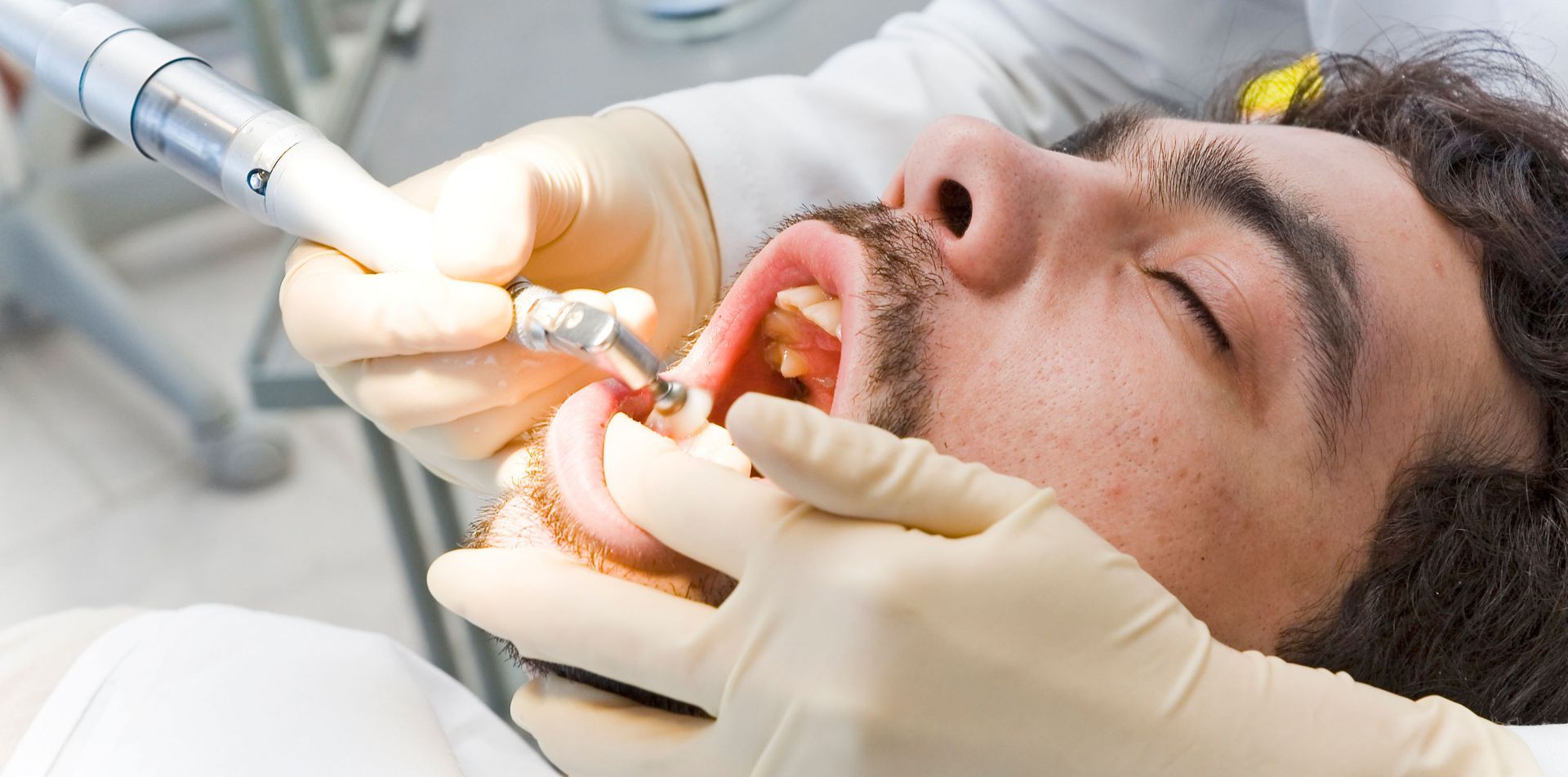
Regular dental check-ups with your local dentist are a cornerstone of oral health maintenance. These visits allow dentists to monitor the condition of teeth and gums and detect any emerging issues before they become severe. During a check-up, your dentist will inspect your entire oral cavity, including teeth, gums, and other tissues, to ensure everything is healthy. Regular exams can prevent conditions that may require more extensive treatment if left unchecked, such as advanced periodontal disease or significant decay. Prevention and early intervention are key strategies in dental care, making regular check-ups invaluable.
Your dentist plays an instrumental role not just in examination but also in education during these visits. Communicating effectively about oral hygiene techniques, such as proper brushing and flossing, empowers patients to take control of their dental health. Understanding the importance of these practices significantly reduces the occurrence of dental diseases. Additionally, dentists can tailor advice based on individual needs and risks, providing personalized recommendations that effectively meet the patient's specific oral health requirements. This educational aspect of routine check-ups is indispensable in preventing serious oral health issues.
It's fascinating to note that our bodies naturally aid in maintaining oral health. For example, according to Colgate, the mouth can produce up to half a gallon of saliva per day, totaling around 25,000 gallons over a lifetime. Saliva plays a crucial role in the oral ecosystem, aiding in digestion and maintaining the health of the mouth by acting as a buffer against tooth decay. It washes away food and neutralizes acids produced by bacteria in the mouth. Comprehensive oral examinations help ensure that bodily functions like salivation effectively support overall oral health.
2. Early Detection of Dental Problems
The early detection of dental problems during regular examinations is critical. Dentists are trained to identify early signs of issues that may not be visible to the untrained eye. These can include early stages of cavities, signs of gum disease, or potential oral cancers. Early detection allows for swift management and treatment, preventing the progression of conditions that could lead to more severe health issues. This proactive approach also contributes to reduced treatment costs and less invasive procedures.
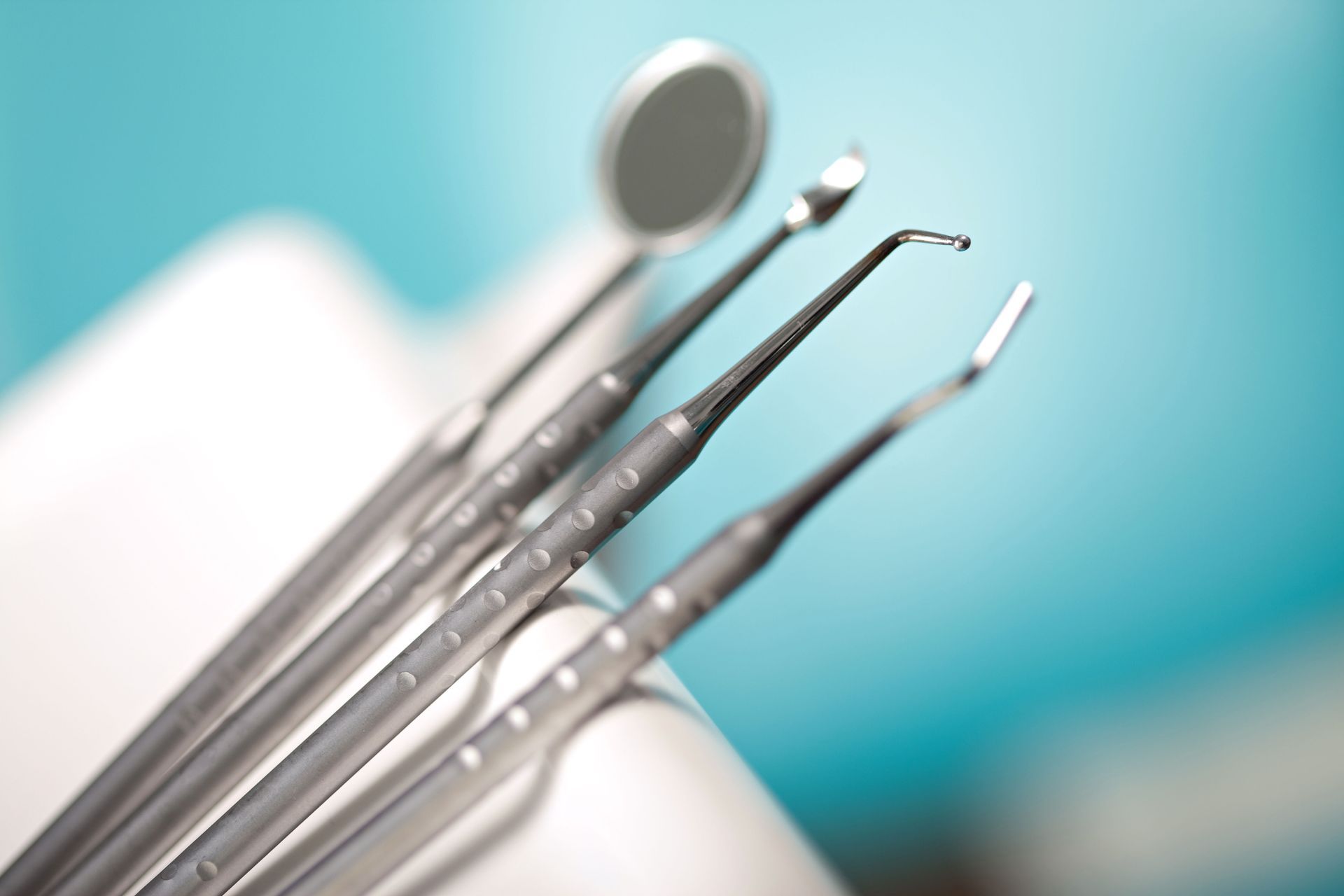
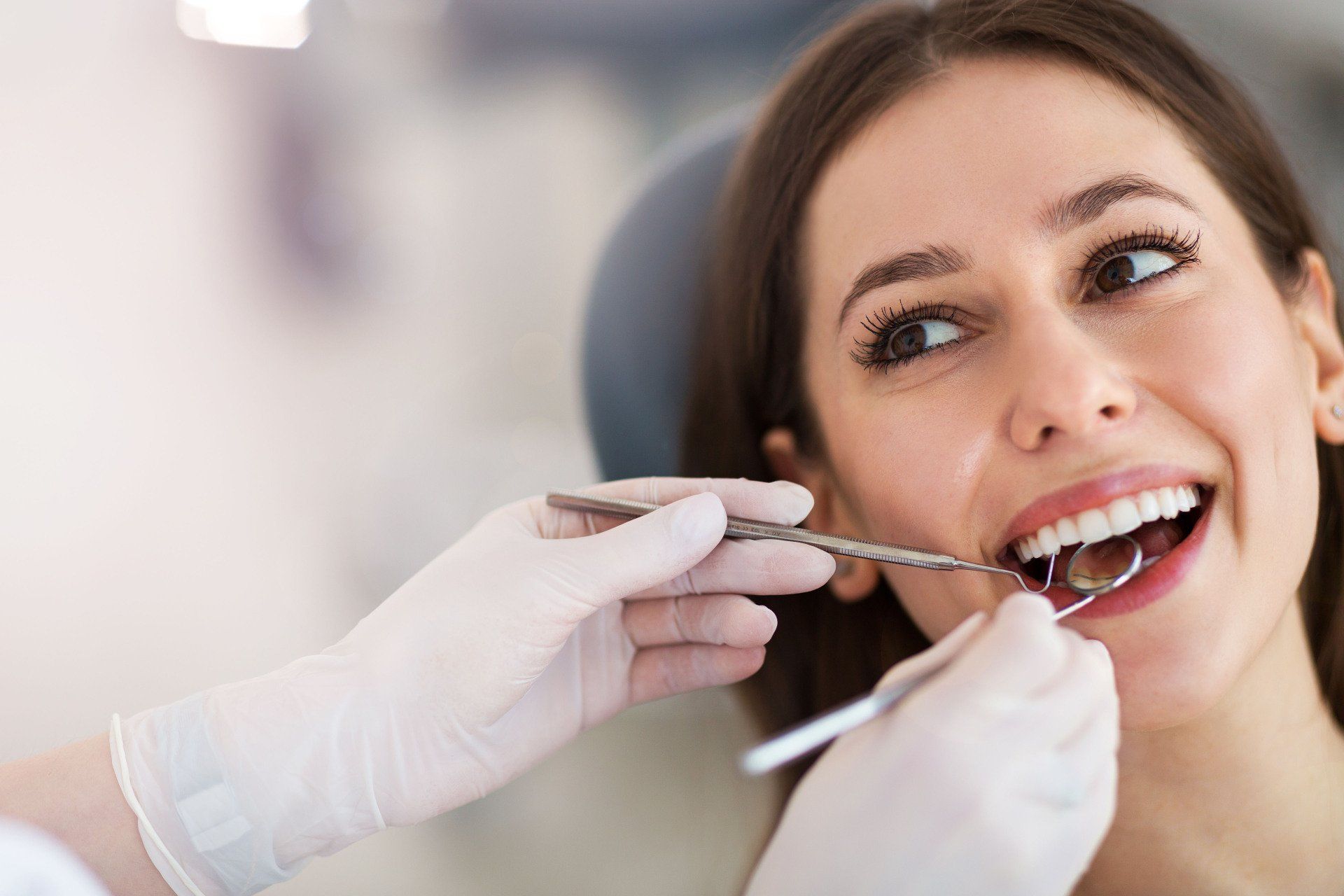
During an exam, your local dentist thoroughly assesses all areas of your mouth. They use various tools and techniques to examine spots that aren't easily visible, providing a holistic view of oral health. For instance, they might use a small mirror to check the back of teeth and identify plaque or tartar buildup. They are also vigilant for signs of periodontal disease, such as gum inflammation or bleeding. Early identification of these concerns enables targeted preventive actions or early interventions to prevent further complications.
Additionally, the examination extends beyond just teeth and gums. Dentists are trained to check for abnormalities or changes in your mouth that could indicate serious conditions, such as oral cancer or systemic health issues. By recognizing these signs early, they can refer patients to the appropriate healthcare providers for further evaluation and treatment. This interdisciplinary approach underscores the important role regular dental visits play in overall healthcare. Routine dental exams are therefore not just critical for oral health but also serve as safeguards for broader health concerns.
3. X-Rays and Diagnostic Tools
X-rays are a pivotal component of dental diagnostics, allowing for comprehensive insight into oral health conditions that are not visible to the naked eye. They reveal detailed images of bones, tooth roots, and gum health, helping dentists detect problems like impacted teeth, bone loss due to gum disease, or abscesses. Using diagnostic tools like X-rays, dentists can identify cavities that are forming between teeth and assess the position of teeth before undertaking procedures like extractions or orthodontics. These tools complement physical examinations, equipping dentists with the detailed information needed for accurate diagnosis and treatment plans.
Regular usage of X-rays in exams is tailored to the individual patient's needs. Depending on age, risk of disease, and symptoms, dentists recommend varying frequency of X-ray usage to ensure minimal exposure while maximizing benefits. This precision approach enhances care quality and ensures that radiography is only employed when necessary. With advancements in dental technology, the radiation exposure from dental X-rays has decreased significantly, making them a safe and reliable component of preventive oral care. Used judiciously, these diagnostic tools enable proactive and informed treatment choices.
4. Personalized Dental Health Plans
Creating personalized dental health plans with your local dentist involves understanding each patient's unique oral health profile. Dentists assess individual risk factors, such as genetic predisposition, lifestyle habits, and medical history, to design customized care strategies. Personalized plans adapt to changing needs, ensuring they remain relevant and effective throughout an individual's lifetime. This approach includes tailored recommendations for preventive measures, dietary suggestions, and interventions necessary to maintain optimal oral health. By focusing on each patient's specific needs, dentists elevate the efficacy of their care and improve health outcomes.
Personalized care means that dental advice goes beyond general guidelines, incorporating targeted strategies. For instance, patients prone to cavities might receive enhanced fluoride treatment or sealants to protect their teeth effectively. A smoker might have a plan focusing on frequent cleanings to manage higher risks of gum disease or oral pathology. The personalization of dental health plans fosters engagement and accountability, motivating patients to adhere to recommendations more diligently. It reinforces the dentist-patient relationship as dentist and patient work collaboratively toward shared oral health goals.
5. Patient Education on Oral Hygiene
Beyond just health management, dentists significantly contribute to patient education regarding effective oral hygiene practices. Teaching patients proper brushing and flossing techniques is fundamental to their ability to maintain healthy teeth and gums between visits. Dental professionals demonstrate these methods, highlighting common mistakes and improvements for better outcomes. This hands-on educational approach empowers patients to take control of their oral health proactively. By reinforcing the necessity of these daily habits, dentists help reduce the risk of common issues like cavities and gum diseases.
This education extends to the importance of using the right tools and products. Dentists often recommend specific types of toothbrushes, toothpaste, floss, and mouth rinses tailored to individual needs. For example, patients with sensitive gums might benefit from soft-bristled brushes, while those with a history of caries might require fluoride-enriched toothpaste. Providing such tailored recommendations ensures patients have access to the best tools for maintaining their oral health. Additionally, explaining the reasoning behind these choices deepens patient understanding and encourages adherence.
Prioritizing regular visits to your local dentist is essential for long-term well-being. Through routine check-ups, early detection, advanced diagnostics, personalized treatment plans, and proper hygiene education, dental professionals prevent severe complications before they escalate. Partnering with your dentist ensures a proactive approach to protecting your smile and maintaining optimal lifelong health. Call Assabet Dental Group today for more information.




Share On: